Source Polished Amethyst Crystal for Jewelry, Gifts, and Decor
Find 30 listings for polished amethyst crystal suitable for jewelry settings, gifts, and decorative items. Compare options featuring silver plating, natural stone grades, and custom packaging to meet your sourcing needs; compare the available evidence and request quotations based on your requirements.
Key considerations
Products List


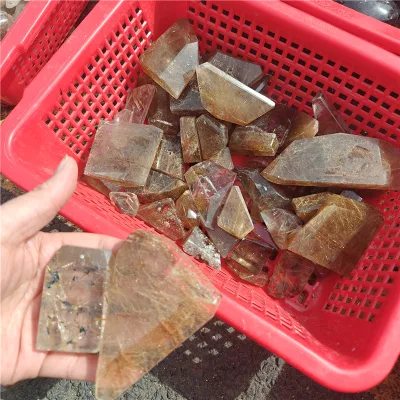


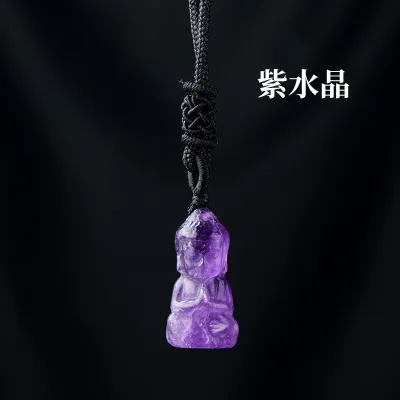
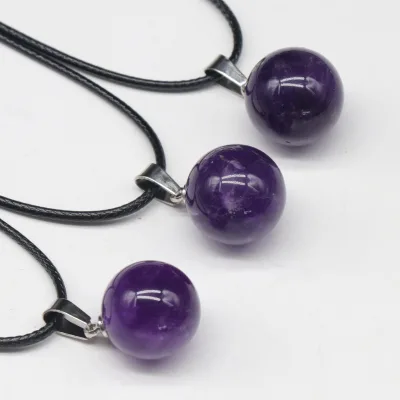
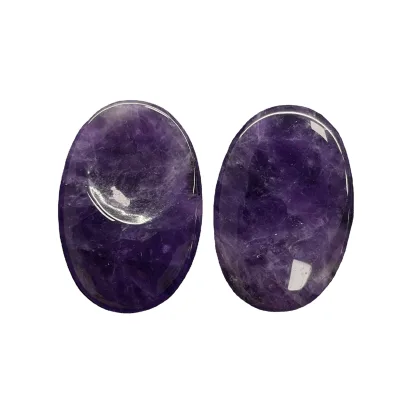
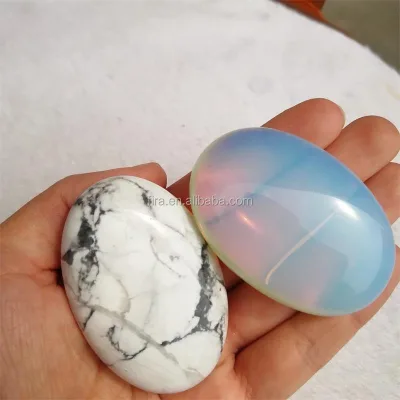
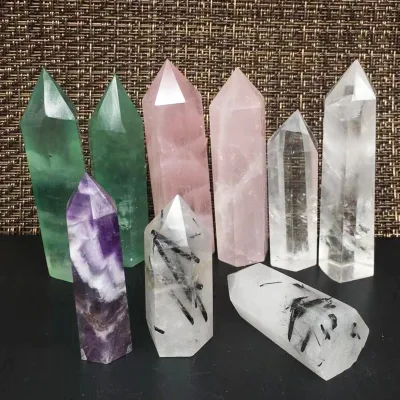
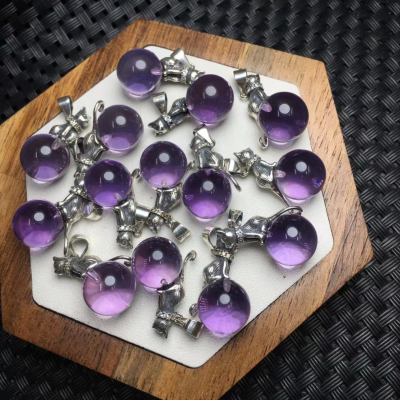
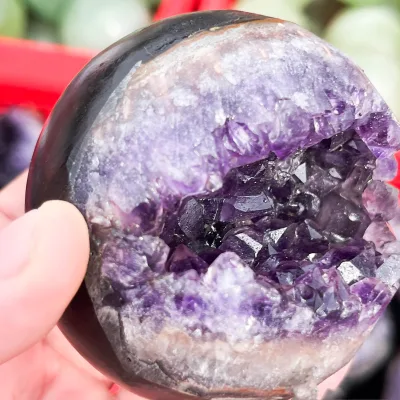
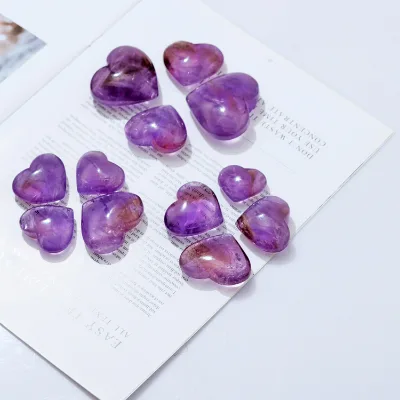
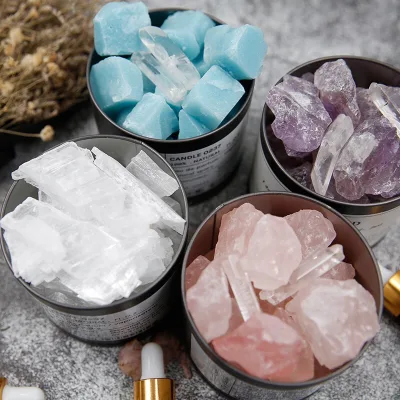
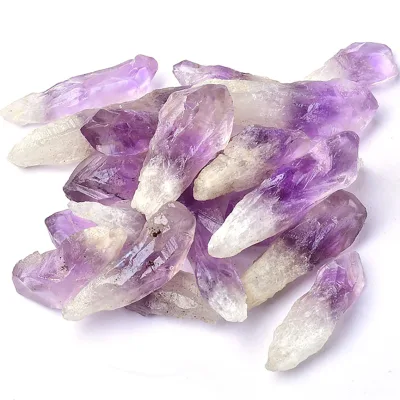
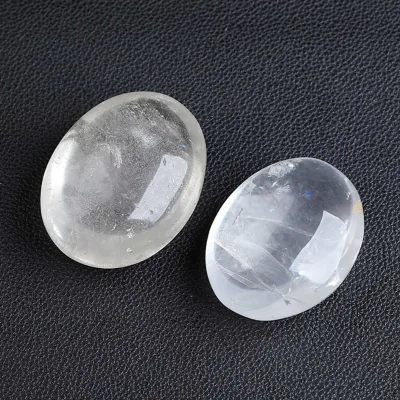

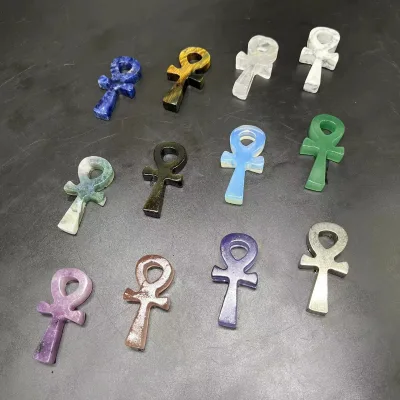
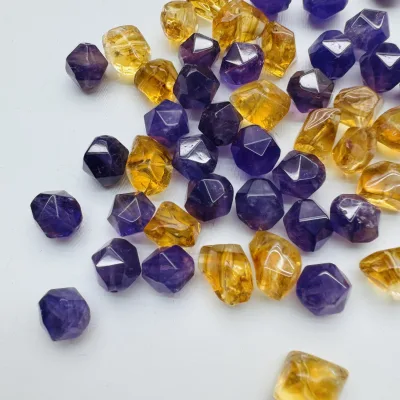
Comprehensive Sourcing Guide
Polished Amethyst Crystal Sourcing Guide
Buyers seeking polished amethyst crystal must first distinguish between finished jewelry components and raw gemstone beads, as the supply chain diverges significantly at this stage. The observed market data indicates a wide variance in product attributes, ranging from specific stone sizes like 5-8mm beads to larger 10x8mm oval cuts intended for jewelry settings. This distinction is critical because the sourcing strategy for a bulk order of 10-piece minimums differs entirely from a custom request for 100-piece batches of multi-color crystal charms.
Procurement decisions should also account for the diverse applications listed in current listings, which span from formal occasions and weddings to general party decorations. While some items are explicitly classified as natural amethyst with AAA quality, others are described as multi-color crystals or rose quartz blends. A buyer must verify the exact gemstone type before ordering to ensure the final product matches the intended use, whether it is for a high-end collection or a mass-market gift item.
Product Scope and Observed Listing Signals
The current market signals reveal a broad spectrum of product types, including bracelets, beads, and charms, often featuring silver or rhodium plating. Listings show specific models like ESB01321 and EST101902, which vary in stone length from 18 inches to 7.5 inches, indicating that length is a primary differentiator for necklace versus bracelet applications. Buyers should note that while some products are labeled as suitable for females, others are marked as unisex, requiring careful alignment with the target demographic for the specific order.
Visual attributes such as color and shape are equally variable, with observed listings offering purple, green, and multicolour options in shapes ranging from plants to beads and ovals. The presence of "Charger Color" and "Dark Purple" descriptions suggests that stone color consistency is a key verification point for buyers. Since customization is available for both the product and its packing, suppliers can accommodate specific requests, but the buyer must clearly define whether they need natural stone or a crystal alternative to avoid receiving mixed inventory.
Technical Specifications to Verify
When evaluating technical specifications, the stone size and cut are paramount, with observed data showing sizes ranging from 8mm beads to 10x8mm oval cuts. Buyers must confirm the cutting style, as listings mention both natural cuts and specific dimensions that affect the final aesthetic of the jewelry setting. The stone length is another critical metric, with variations like 18-inch chains versus 7.5-inch bracelets directly impacting the fit and usability of the finished piece for the end consumer.
Material composition requires strict verification, as the supply includes both natural amethyst and various crystal types, sometimes mixed with rose quartz. The grade of the material is often cited as "High" or "AAA," but these terms are not standardized without third-party testing. Additionally, the metal plating, whether silver or rhodium, must be confirmed to ensure durability and colorfastness, especially for items intended for formal occasions or long-term wear where tarnishing could damage the brand reputation.
Compliance and Safety Documentation
While the provided data does not list specific certification numbers, buyers must request documentation regarding the safety of the materials used, particularly for items intended for children or sensitive skin. The classification of the stone as "Natural Stone" or "Crystal" implies different regulatory requirements, and suppliers should provide proof of origin to validate the "China" or "Cn" location claims. Without explicit certification data, the buyer assumes the risk of non-compliance with international safety standards for jewelry components.
Safety compliance also extends to the plating materials, as silver and rhodium plating must meet heavy metal restrictions in target markets. Buyers should verify that the "High" grade material does not contain harmful substances, even if the listing claims it is suitable for gifts and parties. Since the origin is listed as China, importers must ensure that the supplier can provide necessary export documentation and that the products meet the specific safety regulations of the destination country, such as REACH or CPSIA standards.
Cost Drivers and Commercial Terms
The cost of polished amethyst crystal is heavily influenced by the material grade and the complexity of the customization requested. Listings show a price range from $0.03 to $305.74, reflecting the difference between simple beads and elaborate, custom-packaged jewelry sets. The minimum order quantity (MOQ) varies from 1 to 100 pieces, meaning that small buyers may face higher per-unit costs, while bulk orders can leverage economies of scale to reduce the price significantly.
Commercial terms regarding packing and customization are flexible, with suppliers offering to make packing according to customer requests. This flexibility adds value but may introduce variable costs depending on the complexity of the packaging design. Buyers should clarify whether the customization fee is included in the unit price or charged separately, as this can impact the total landed cost. Understanding the MOQ structure is essential for budgeting, as ordering below the threshold may result in rejected orders or significantly higher pricing tiers.
Supplier Qualification and Quality Control
Supplier qualification should focus on their ability to maintain consistency in stone color and cut, given the observed variations in "Charger Color" and "Dark Purple" descriptions. Buyers must assess the supplier's quality control processes to ensure that the "AAA" grade claim is accurate and that the natural cut is uniform across the batch. Since the product origin is listed as China, verifying the supplier's track record for delivering on time and maintaining quality standards is crucial for mitigating supply chain risks.
Quality control also involves checking the durability of the plating and the integrity of the stone settings. The observed listings mention styles like "Korean" and "Cute," which often require precise craftsmanship to meet consumer expectations. Buyers should request pre-shipment samples to verify that the physical product matches the digital listing, particularly regarding the stone size and the finish of the silver or rhodium plating. Establishing a clear quality agreement before production begins is the best way to prevent disputes over product defects.
Long-Term Procurement Checks
For long-term procurement, buyers must establish a system to monitor the consistency of the natural amethyst supply, as stone availability can fluctuate based on geological sources. Regular audits of the supplier's inventory and production capacity are necessary to ensure they can meet recurring demand without compromising on the "High" grade material. Building a relationship with the supplier allows for better negotiation on pricing and lead times, especially when customizing packaging or stone sizes for future orders.
Continuous verification of the product specifications is also vital to adapt to changing market trends and consumer preferences. Buyers should periodically review the product range to ensure it still aligns with current styles, such as the "Natural" or "Korean" aesthetics observed in the market. Maintaining open communication with the supplier regarding any changes in material sourcing or plating processes will help prevent unexpected disruptions and ensure the long-term success of the procurement strategy.
FAQs
What materials are used for polished amethyst crystal jewelry?
The products utilize natural amethyst stones combined with silver plating or rhodium finishes. Some items also feature crystal or rose quartz variations. The materials are selected for durability and aesthetic appeal, ensuring a high-quality finish suitable for various jewelry applications and personal styling needs.
Can I request custom packaging for my order?
Yes, customization is available for packaging according to your specific request. The supplier offers flexible packing solutions to meet your branding or logistical requirements. This service allows you to tailor the presentation of the polished amethyst crystal items, ensuring they align with your market expectations and gift-giving occasions.
What is the minimum order quantity for these items?
The minimum order quantity varies, with some items requiring just 10 pieces while others start at 1 unit. The observed range spans from 1 to 100 units depending on the specific product model. This flexibility supports both small trial orders and larger bulk purchases for diverse business needs.
Which shapes are available for the amethyst stones?
Available shapes include plants, charms, beads, and oval cuts. The stones are crafted in various sizes, such as 5-8mm or 8mm beads. These diverse shapes allow for versatile design applications, catering to different style preferences ranging from cute and natural to formal and decorative jewelry settings.
Are these amethyst crystals suitable for wedding gifts?
Yes, the products are explicitly suitable for weddings, anniversaries, parties, and formal occasions. The purple and multicolor options add elegance to gift sets. Their classification as high-grade natural stones makes them appropriate for special events, providing a meaningful and durable keepsake for recipients celebrating significant milestones.
What is the origin of these polished amethyst products?
The products originate from China, as indicated by the supplier location data. This origin supports the availability of natural amethyst and crystal materials. Buyers can expect sourcing from established manufacturing regions known for producing high-quality gemstone jewelry and decorative items with consistent quality standards and competitive pricing structures.